
The damage hit the Valencian Community a year ago, leaving behind serious human consequences and extensive damage to infrastructure, homes and businesses. Among the most affected areas are educational centersmany of which were forced to interrupt or move their activity, with a strong impact on the entire school community. This scenario has shown the urgent need to promote both immediate and sustainable solutions that allow its reconstruction and reinforce its capacity to respond to future extreme episodes.
At the end of last year, Nearly 16,000 students saw their schooling altered due to the deterioration of infrastructure. Many began the course in barracks, while other centers remained closed due to structural problems or reopened only partially. In some cases, operational schools welcomed the students and teachers of others who were not able to resume their activities normally.
In this context, The Naturgy Foundation promotes the “Adding Energies for Valencia” plan, which includes the “Adding Energies for Education” initiative. This program will benefit 130 educational centers in 38 municipalities and seeks to contribute to its recovery through educational activities in the field of STEAM and energy efficiency improvements in schools. Among the main actions, highlights the installation of photovoltaic panels in at least 40 centers, which will reduce energy costs and free up resources to meet educational, emotional and community needs. In addition, energy audits are carried out with a pedagogical and participatory approach, along with the creation of School Energy Councils that involve students, families and teaching staff.
Training and awareness
The project was born with the aim of going beyond the improvement of infrastructure. It aims to promote the energy transition and foster a more informed, committed and resilient citizenry. Through the Efigy Schools program, a network of centers prepared in both sustainability and emergency management is promoted, capable of acting as references and coordination points in critical situations.
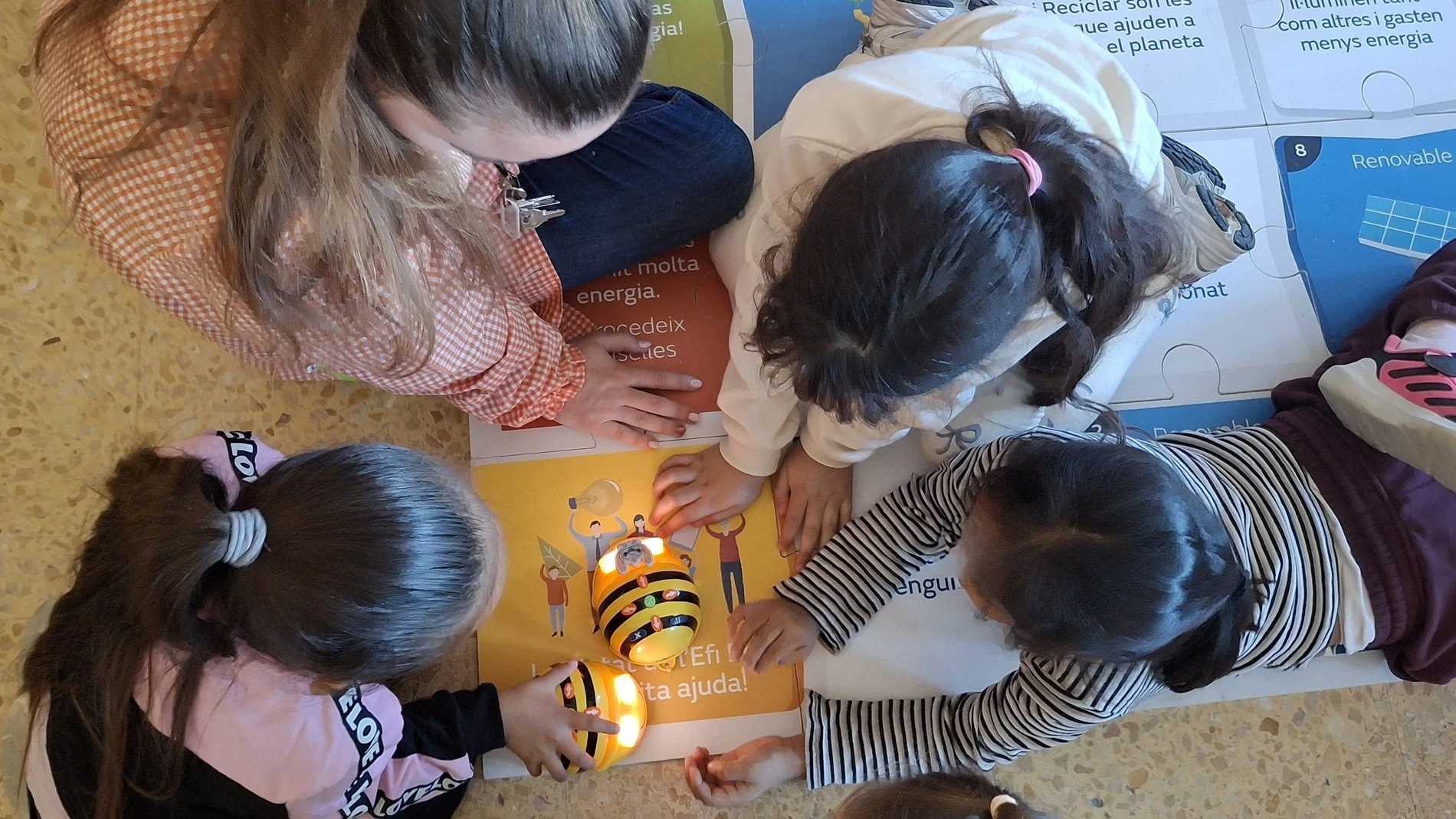
The comprehensive support for one year combines workshops, mentoring sessions, digital and innovative activities, Energy Corners and the active participation of students, teachers and families, also counting on permanent educators in all centers. The Efigy Schools project integrates a broad set of educational actions aimed at raising awareness and training in energy transition. These include educational energy audits and talks aimed at families to promote knowledge about solar energy and its benefits. It also includes participatory initiatives such as exhibitions, recreational days and the creation of a collaborative anthem that reinforces the identity of the project.
Naturgy Foundation prepares energy audits with a pedagogical and participatory approach
In addition, teaching resources such as the pedagogical trunk and the express guide are provided to support teachers. The program is completed with training in emergency safety, classroom activities, technological competitions, initiatives such as Effigy Girls and mentoring sessions to guide students in their academic and professional future.
In the words of Marta Monteagudo, director of the CEIP Castellar-Oliveral, “This program totally connects with our way of understanding education, because it allows students to grow with values and tools to face current challenges, especially in sustainability.” Likewise, it highlights that “it offers resources and practical experiences that enrich the day-to-day life of the center and strengthen the environmental awareness of the entire educational community.” Monteagudo emphasizes the practical nature of the initiative: “the most valuable thing is that it does not remain in theory, but rather combines real actions, such as the installation of solar panels, with activities that make students feel part of the change.” The director also highlights the value of Efigy Girls, which seeks to awaken interest in STEAM in girls who attend between 4th of Primary and 2nd of ESO: “key to awakening technological vocations in girls and ending stereotypes from an early age.”
As part of the commitment to sustainability, The “Adding Energy for Education” plan contemplates the aforementioned implementation of photovoltaic solar panels in the selected centers. This measure contributes to reducing energy consumption, promoting the use of renewable energy and improving the efficiency of the facilities. The objective is to advance in the creation of more sustainable centers, with a smaller environmental footprint and significant economic savings. So far, plates have already been installed in five of them, with plans to exceed a dozen by the end of March.
This educational project It will be deployed during the 2025-2026 academic year in primary schools in Horta Sud, Ribera Alta and Serranía. Its purpose is to sensitize students on energy and energy efficiency issues, promoting critical and active awareness in the face of climate challenges. The ultimate goal is for students to not only acquire knowledge about energy, but to become agents of change: critical, creative citizens committed to a fairer, sustainable and participatory energy model.