
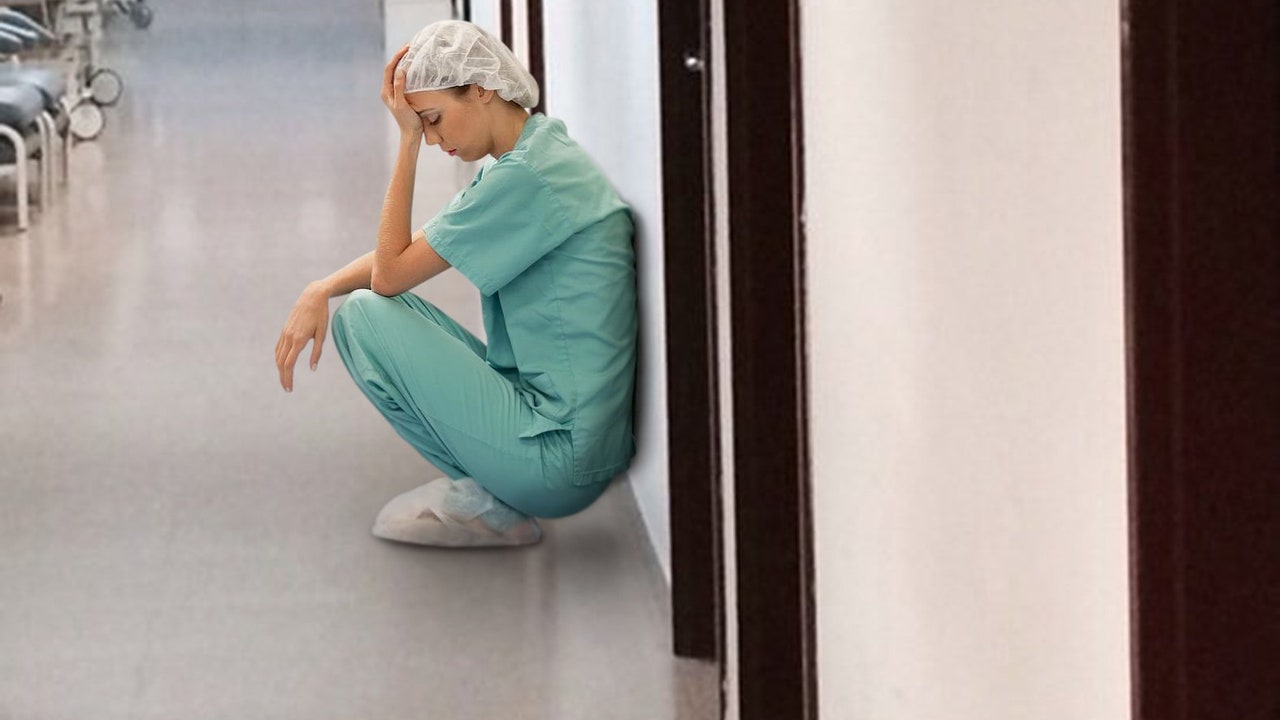
Every year they are diagnosed more cases of cancer in our country, but there are increasingly fewer oncology nurses to care for them. This situation reflects a serious deficiency in the health system: as the disease advances, specialized care recedes.
The increase in life expectancy, the influence of external agents or conditions influence the rise of this entire group of diseases – since they are not a single one – that are characterized by abnormal and uncontrolled cell growth.
Talking about cancer is talking about care. The social spectrum of cancer is changing and requires advanced strategies and organizational models where nurses emerge as essential pieces of the system. Beyond the administration of treatments and compliance with protocols, the role of the oncology nurse is defined by their ability to accompany the patient with empathy, knowledge and commitment. Despite this, many times this area of our profession does not receive adequate recognition or resources.
Strengthening the number of nurses dedicated to oncology is improving patient care and, therefore, give them a greater quality of life in the disease.
Care strategies
Health workers who deal with this pathology daily recognize that there are new demands from the population, which must be faced from an interdisciplinary and consensual vision, as a guarantee to improve the therapeutic objectives and quality of life of the patients.
Research and new treatments always represent a halo of hope when faced with a diagnosis. The patients are role models: they listen, guide, translate complex terms… and this support not only improves the patient’s experience, but also directly impacts their adherence to treatment and their quality of life.
It is paradoxical that, while cancer advances and demands more care, our health system faces a structural problem: the shortage of nurses. In Spain there are 100,000 professionals missing to reach the European Union average. This is confirmed by the reports of the General Nursing Council, the OECD, the International Council of Nurses and the Ministry of Health itself, which has ratified what we have always been defending: the attention and care that the population requires is at risk.
Although it is true that the number of nurses grows every year in our country, at the current rate it would take between 22 and 29 years to reach the average of our European neighbors. Added to this is an alarming fact that is also reflected in the Ministry of Health survey: 39.4% of Spanish nurses express their intention to leave the profession in the next ten years.
Patient safety
The x-ray is clear: the situation is unsustainable and the time has come to act. The healthcare pressure and work overload that nurses endure continues to increase, which compromises the quality of care that citizens receive and can put the safety of patients at risk due to the exhaustion of these professionals.
In our opinion, the first step must be to carry out a study of care needs. We cannot only talk about numbers, we must know where we need nurses, what care they should provide, what specialties must be focused on, taking into account chronicity, the aging of the population and other factors such as geographical dispersion. We need a well-organized health system and for this it is a priority to plan in the medium and long term, define what we want to achieve and implement the appropriate measures to achieve it.
From the Collegiate Nursing Organization we reach out to all administrations – both central and regional – to act in the face of a situation that has a serious consequence: the deprivation of care for a society that needs it more than ever.
Because If there is one thing we must be clear about, it is that without nurses there is no health, and without health there is no future.