
The concept immediately drew comparisons to a disturbing 2013 episode of the prescient series, Black Mirror in which a grieving woman uses an AI replica of her deceased partner. Seven years later it seemed closer to reality when Kanye West gave Kim Kardashian a hologram with a message from his late father, Rob Kardashian, for her birthday. And then artificial intelligence arrived.
A new AI company has generated controversy on the internet after launch an app that allows users to create interactive digital avatars of deceased relatives.
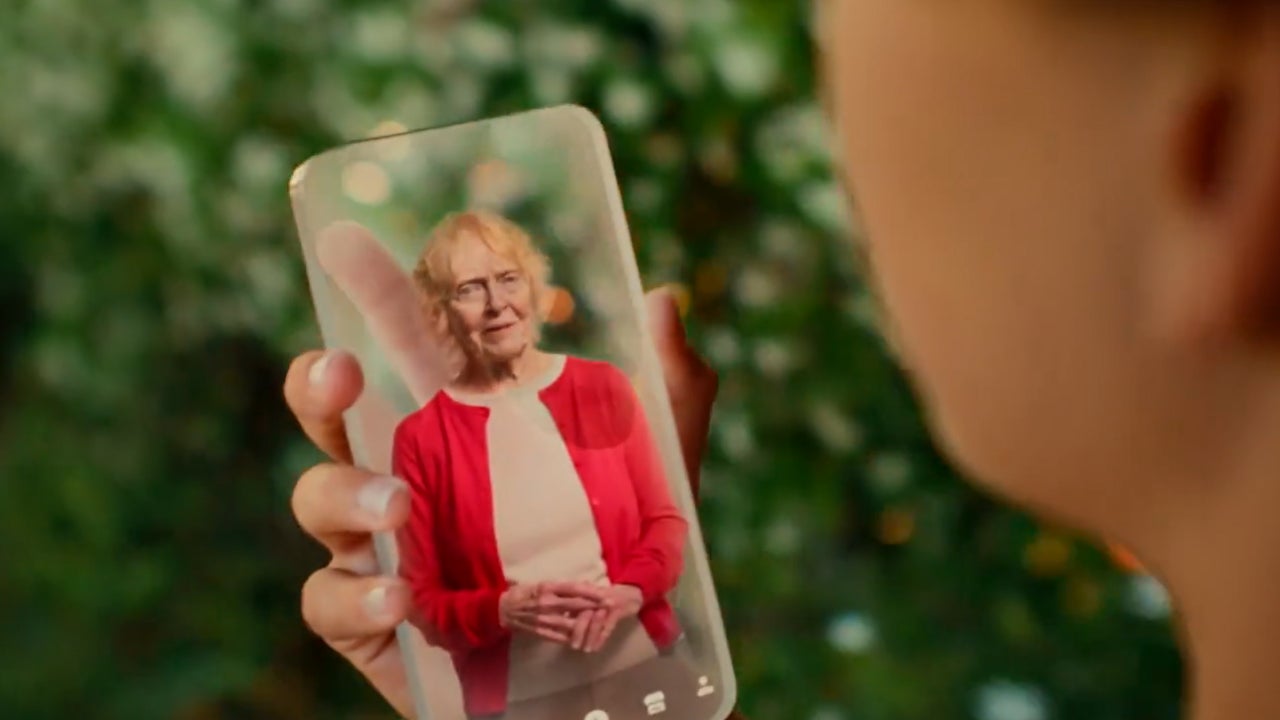
Los Angeles-based startup 2Wai went viral when its co-founder, Calum Worthy, posted a promotional video showing how the technology works. The video shows a pregnant woman talking to a digital recreation of her late mother through her phone.
The scene then advances 10 months, showing the “digital grandmother” reading a bedtime story to the baby. Later, the boy, now 12 years old, chats naturally with the avatar while returning home from school. The video ends with the eldest son telling the digital grandmother that she will soon be a great-grandmother.
“With 2Wai, three minutes can last an eternity,” the video states. We are building a living archive of humanity. What if the loved ones we have lost could be part of our future?”.
What if the loved ones we’ve lost could be part of our future? pic.twitter.com/oFBGekVo1R
— Calum Worthy (@CalumWorthy) November 11, 2025
The application, now available in the Apple App Store, allows users to create what 2Wai calls a HoloAvatar. According to the company, these avatars look and talk like you, and even share the same memories.
Worthy encouraged users to “Try the beta version of 2Wai in the App Store. Coming soon to Android”. Social media users did not hold back. Many called the video “nightmare” and “demonic,” with some claiming the technology “should be destroyed.”
For many, the idea crosses emotional boundaries, risks replacing real grief with artificial comfort, and raises deeper ethical questions about consent, identity, and the commercialization of grief. Despite the criticism, the app continues to gain popularity. Its promotion on social networks has already exceeded 18 million views on Twitter.