
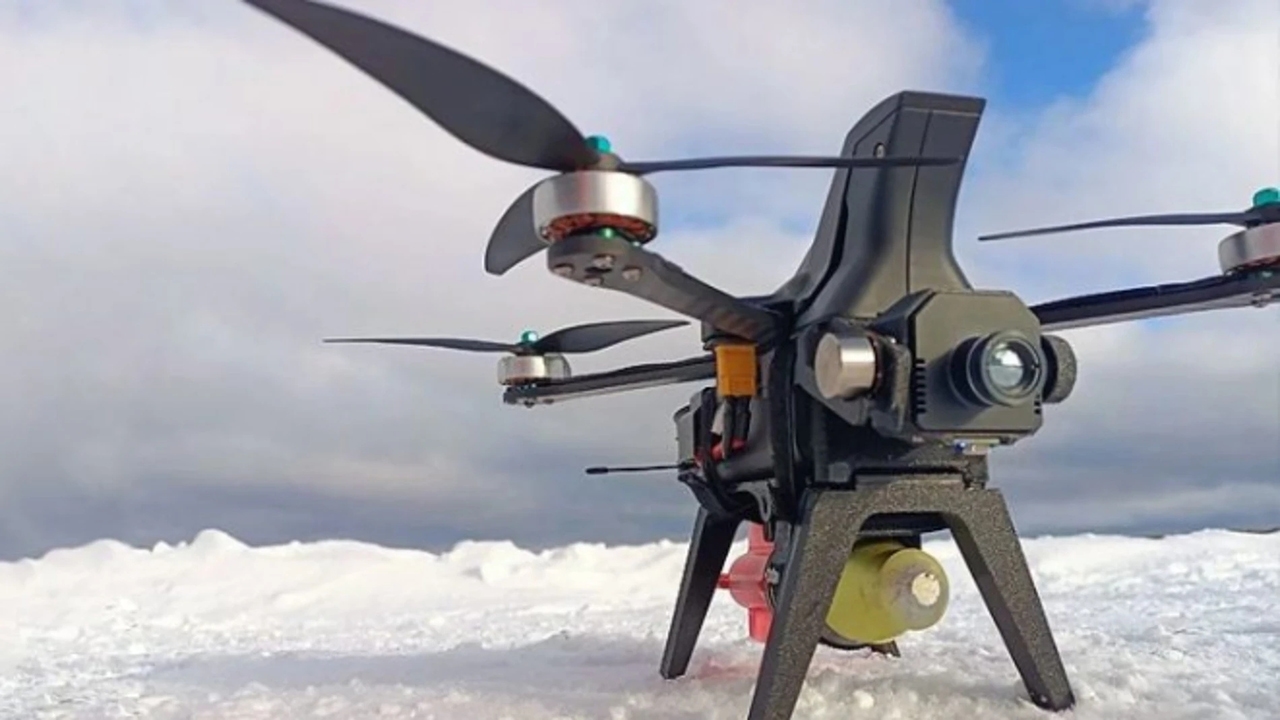
Although Ukraine has led in the creation and use of drones, Russia has introduced innovative technology which is giving you a key tactical advantage on the battlefield.
It’s about controlled pump drones by fiber opticwhose massive use is making a significant difference in the war, especially in the Kursk region.
Advantages of drones with optical fiber
These drones stand out for their immunity to electronic attacks. In modern conflicts, radiofrequency signals can be blocked or interfered, causing drone control loss. However, when using a fiber optic cable, operators can maintain a stable connection without risk of interference.
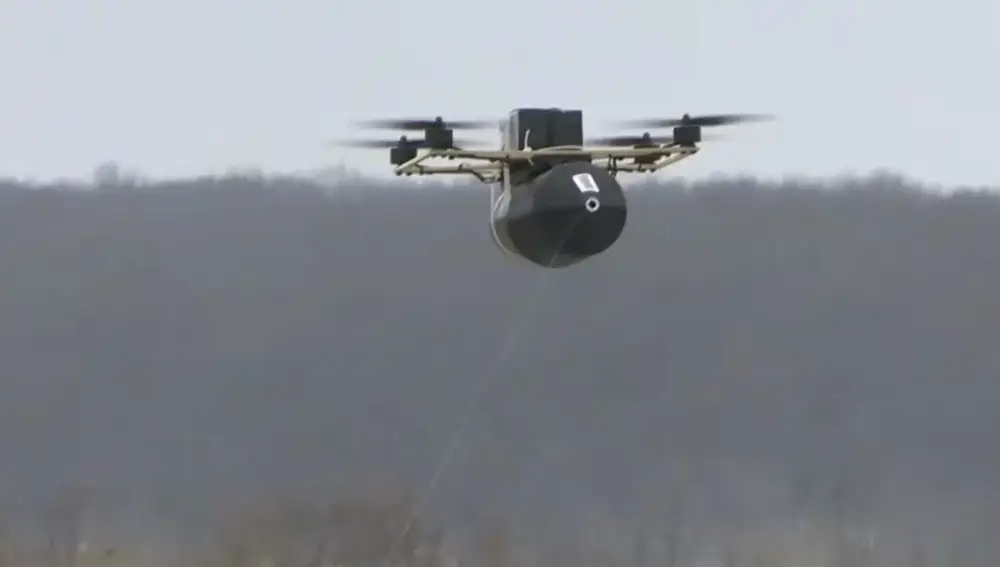
He operation is simple but effective: Each drone is equipped with a fiber optic reel that can reach lengths of 5 to 25 kilometers. If the cable is entangled in an obstacle, like the trees, the drone continues to fly while the reel is unrolled, ensuring the continuity of the link.
Impact on the conflict
Since the end of 2024, Russia has intensified the use of these drones on the battle front. Although Ukraine is also adopting this technology, its production capacity is still lower, which gives Russia an operational advantage.
According to intelligence reports, Russian attacks with these drones have reached up to 15 kilometers Within Ukrainian territory, generating a significant impact on Ukraine defense operations.
Costs and production
Fiber optic technology entails high costs:
- A 25 kilometers of fiber optic It costs around 2,000 euros.
- The drones are price between 300 and 600 eurosaccording to the model.
However, the mass production in China is reducing costsalthough at the expense of quality, which generates concern among some analysts.
FUTURE STRATEGY AND PERSPECTIVES
Russian forces have implemented a strategy where elite units handle these drones precisely. In the Donetsk region, these devices have managed to penetrate the Ukrainian lines and have caused important casualties.
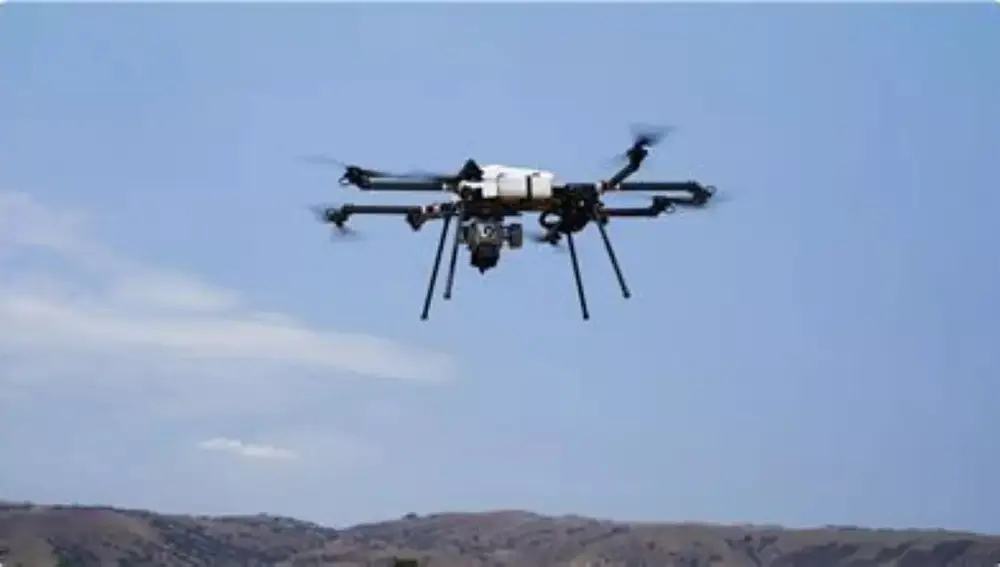
Lieutenant Colonel Roman Kuziv said the 60% of the injured at the points of greatest conflict are a consequence of bomb drones. For his part, the Chief of Ukrainian intelligence, Kirilo Budánov, warned that this technology represents a “huge problem” and that, by 2025, it could become one of the main weapons of war.
Before this scenario, Ukraine must develop defensive technologies to counteract Russian domain in the use of drones with optical fiber. For now, the Russian advantage in this area is indisputable and could change the dynamics of conflict in the near future.