
April 1, 1976 Steve Jobsthen 21 years old, Steve Wozniak25, and Ronald Wayne41, founded Apple. The company, which half a century later has a market capitalization of more than 4 trillion dollars and it is the second most valuable company in the world, he worked then from Jobs’ parents’ garage and he had a prototype of what months later would be his first computer, the Apple I. Wayne remained with the company briefly. Twelve days after its founding it sold its share to its partners for 800 dollars10% whose current value would be 400 billion dollarswhich can be considered one of the worst financial decisions in history.
Since then, Apple has launched dozens of products, It has opened new markets, it has risen, fallen and grown again to its current position. It survived Jobs’ death in 2011 (Wozniak and Wayne are still alive and well) and has been a determining actor in the configuration of the technophile society in which we live. We review the main milestones of this half century of Apple.
Apple II (1976)
The company’s first computer, launched a few months after its founding, was not as we conceive it today. Apple sold the assembled motherboard and the buyer had to add a case, a current transformer, a keyboard and a monitor, usually a television, at his own expense. These first units Jobs and Wozniak made them by handwho produced about 200 units, of which they sold 175, which allowed them to attract investors.
Apple II (1977)
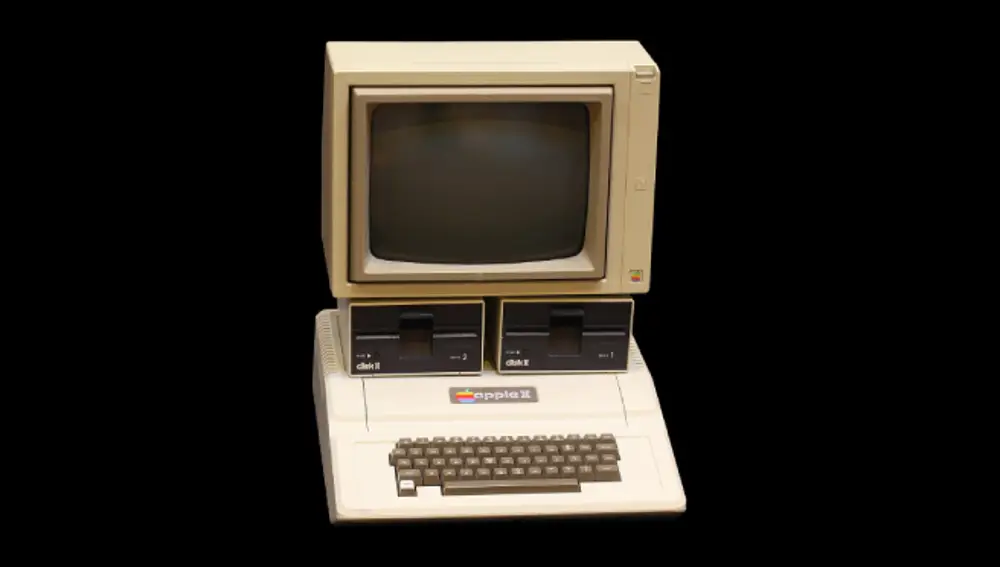
Here we come to what was the paradigm of a personal computer for decades. The Apple II was a beige plastic computer with a keyboard included that had to be connected to a monitor that was sold separately.. It still had a command interface, but could generate rudimentary graphics. To load the programs, a cassette player was used, which would later be replaced by a 5.25-inch floppy drive which made it much easier to write and save programs, as well as buy and sell them. It was the company’s first big success.
Macintosh (1984)
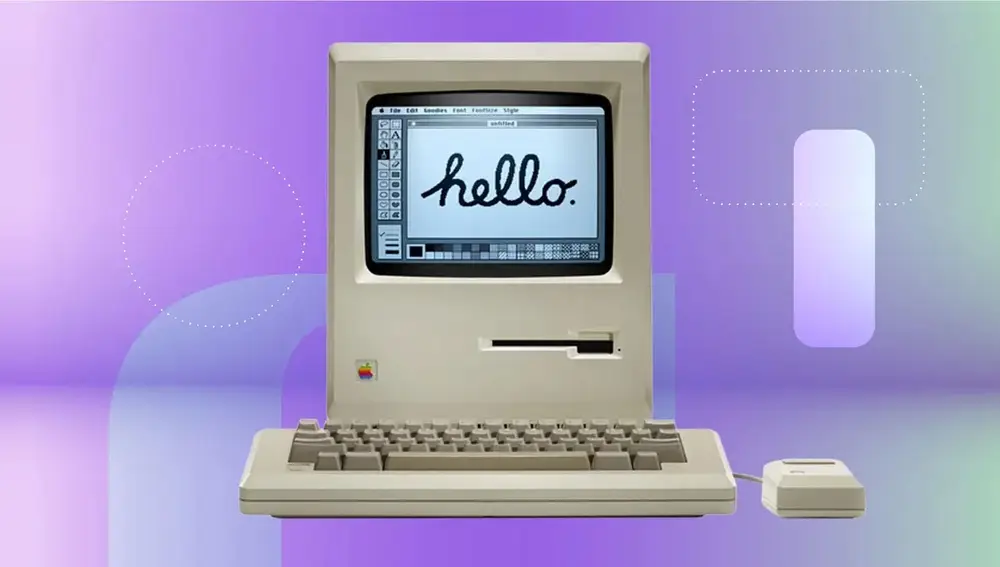
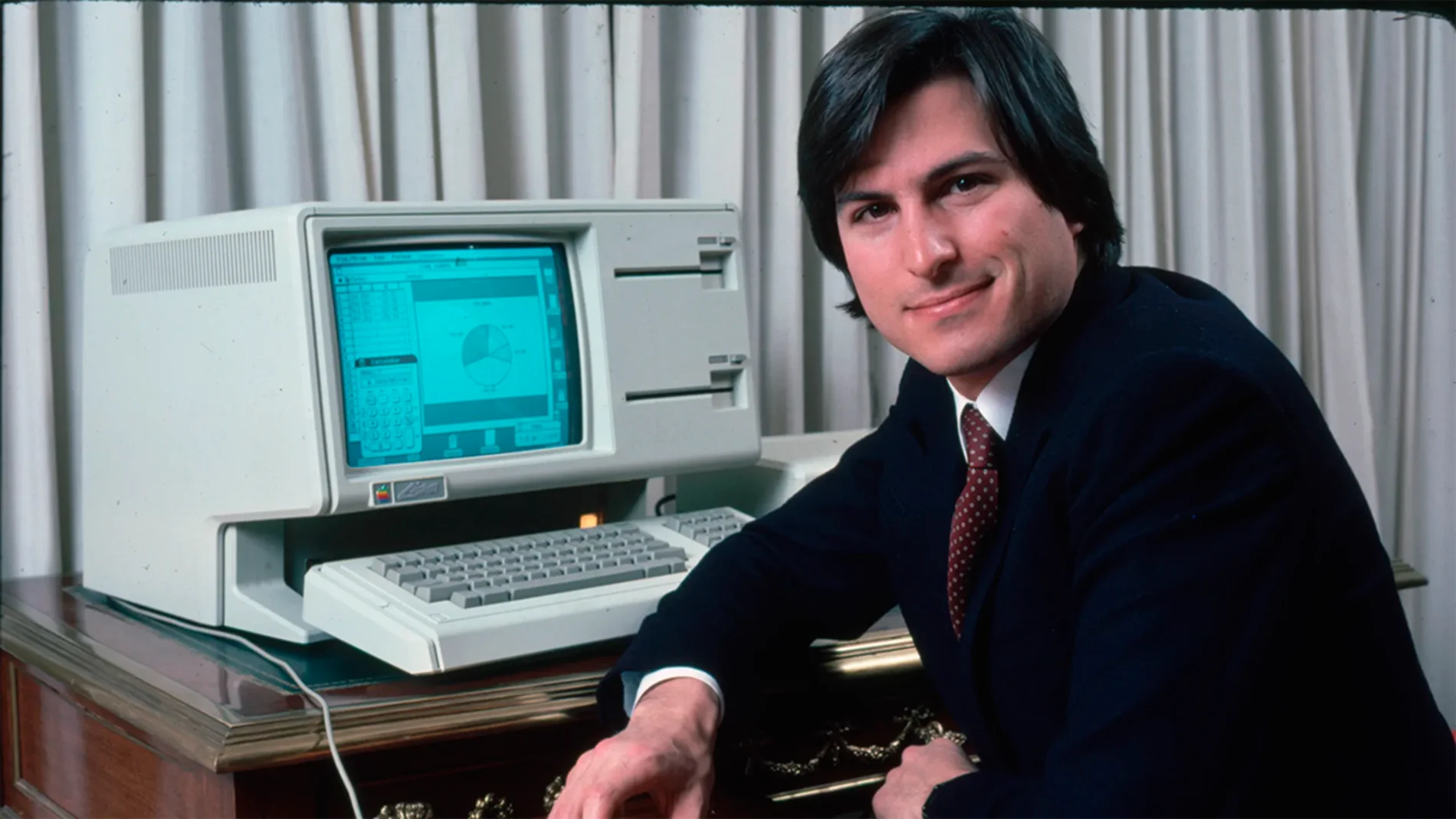
To the success of the Apple II and the Apple IIe Disappointments followed, such as Apple III and the LISAthe latter the first Apple computer with a graphical interface, ‘inspired’ by a Xerox prototype that Steve Jobs met on a visit to the Xerox PARC research center in 1979. Its high price prevented it from penetrating the market, but with the Macintosh Jobs had learned his lesson.
The user moved a mouse to interact with object icons instead of typing commands, and its screen was integrated into the computer itself. ‘Macintosh makes Lisa technology available to a broad audience for the first time, at an unbeatable price and size’Jobs then said. The classic advertisement corresponds to this time ‘1984’directed by Ridley Scottin which he presented IBMhis great competitor at the time, as the oppressive ‘Big Brother’.
PowerBook (1991)
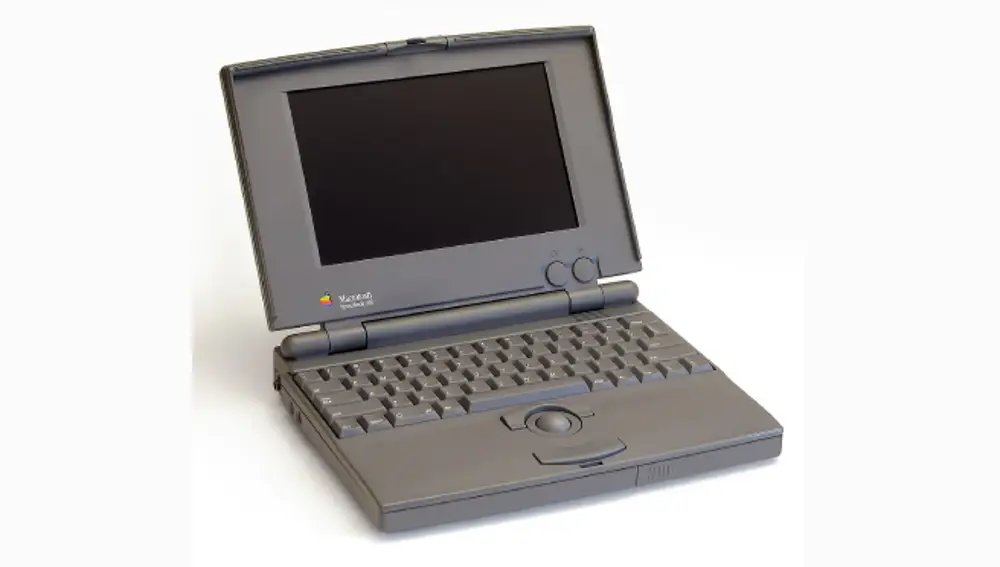
It was not Apple’s first laptop, an honor that belongs to the Macintosh Portable 1989, but it was the one that caught on, opening a new market for Apple and the rest of the manufacturers. With its innovative keyboard moved towards the screen to make room for the palm rests and a trackball which would later evolve into trackpadprovided the experience of using a Macintosh anywhere.
Newton MessagePad (1993)

The precursor of what Apple mobile phones and tablets are today was the Newton MessagePada rather bulky handheld device, but innovative for its time. However, was mocked for its error-prone handwriting recognition. When it came on the market PalmPilotcheaper, smaller and ‘good enough’, the Newton went down in history.
iMac (1998)
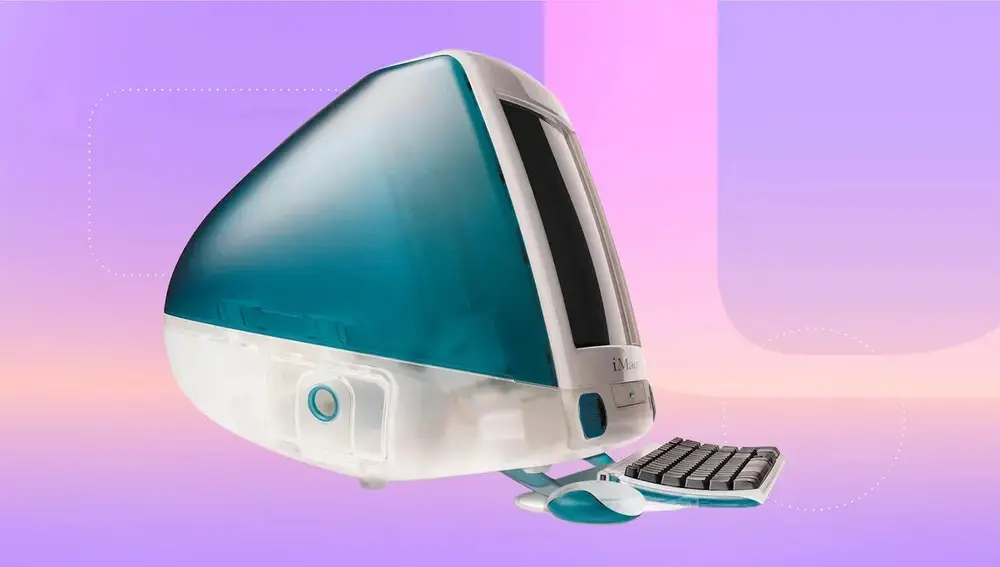
Apple probably wouldn’t be what it is today without the iMaca computer that he launched when the company was on the verge of bankruptcy and that reversed its fortunes. Jobs had been fired from the company in 1985, after which he founded NeXT. In 1997 he returned to a troubled Apple, which had bought NeXT, whose software was the basis of the next generation of macOS. He returned as ‘interim CEO’ and cut programs, such as Newton, to get the company back on track. But Apple still needed a breakout success.
The iMac was different, an all-in-one personal computer with translucent white and blue panels which put the company back on the map. It connected easily to the internet and had a new type of port, the USB. In a world of boring beige computers, including Apple’s own Macintosh models, the iMac was something new and just what Apple needed to put its worst era behind it. The ‘i’, which has accompanied the name of many Apple products since then, referred to ‘Internet’.
iPod (2001)
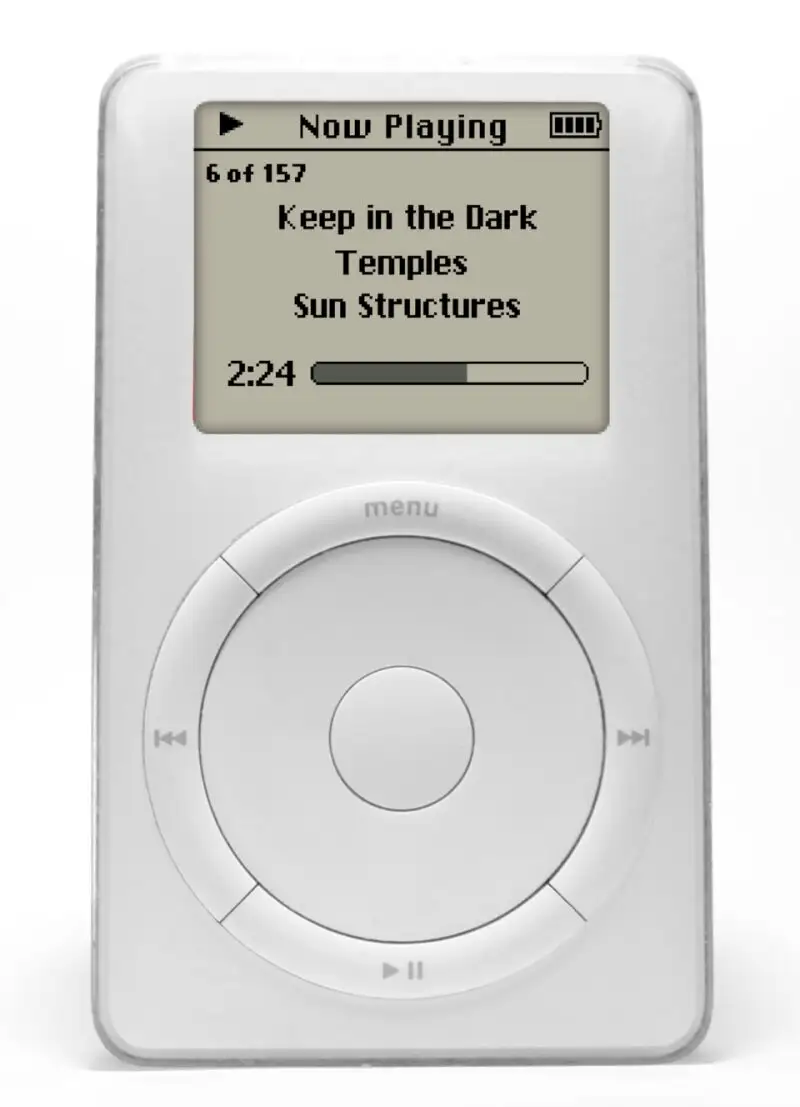
The iMac was Apple’s most popular product in years, but it was still a computer. Apple’s big hit was born from a niche product in the early 2000s that the company turned into a lifestyle brand, the iPod.
The portable music player united Steve Jobs’ interest in music with the expertise of Apple’s designers and engineers, at a time when the business of legally purchasing digital music was just beginning. The original iPod was approximately the size of a deck of cards and could store 1,000 songs, something incredible at that time.
iPhone (2007)
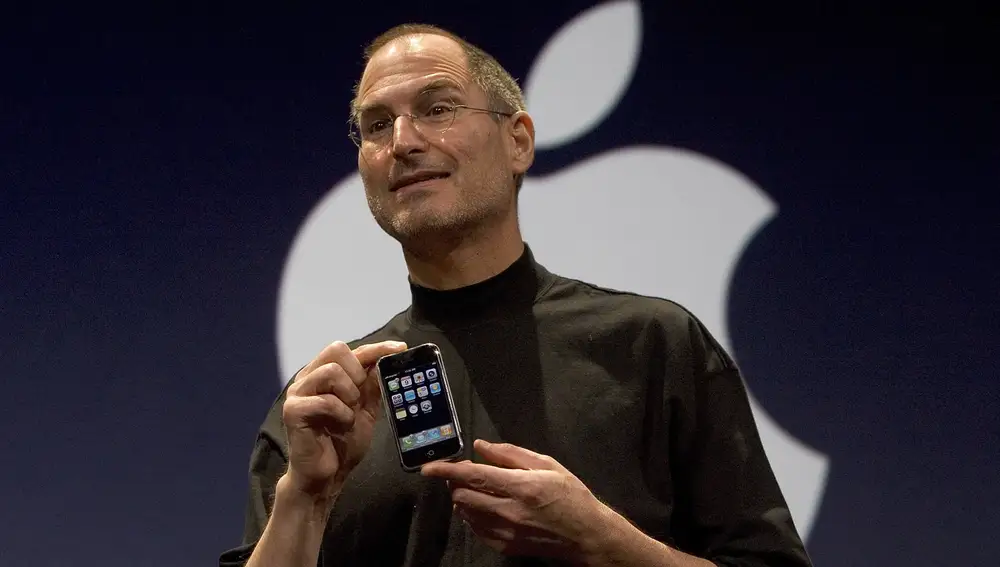
In 2007, Steve Jobs introduced something that changed Apple forever, again. The moment in which he introduced ‘a phone, a music player and an internet communicator’. But they were not three different products, but rather they were brought together in the original iPhone. It was not the first smartphone, but it was the first that, with subsequent versions, managed to become a mass success and transformed Apple into what it is today, a company in which the computer business is residual compared to what is generated by the most popular smartphone on the market.
MacBook Air (2008)
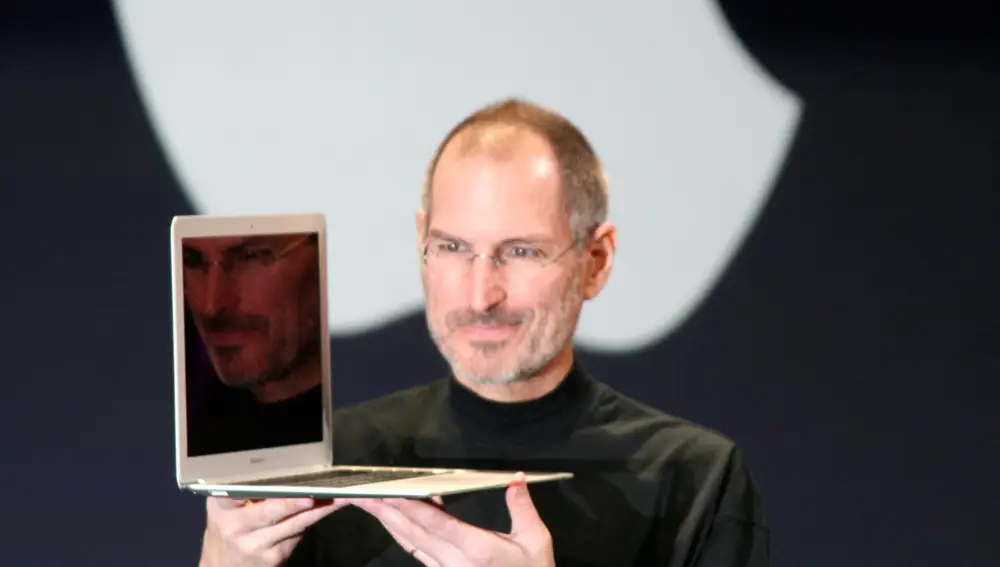
A decade of iPod and iPhone had passed when Apple surprised again with a computer. Presented by Jobs inside an office envelopeit was the thinnest laptop in the world at the time, with a maximum thickness of 1.93cm and a minimum 0.4cm. It was one of the company’s most expensive computers and pushed PC makers to create their own ultralight and thin laptops. Over time, evolved into Apple’s entry-level laptopmoving for years around the $1,000 barrier, dethroned only this year by the MacBook Neo.
iPad (2010)
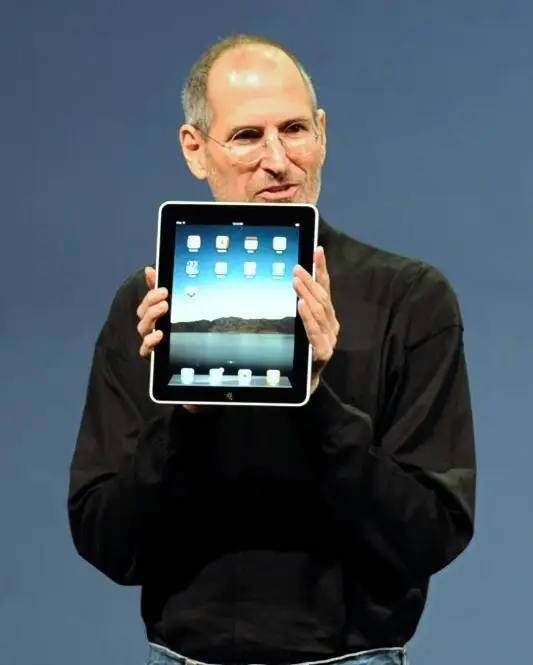
The last device that Jobs presented before his death in 2011 opened a new category between the smartphone and the laptop. Many received it with skepticism, as if it were little more than a large iPhonebut the company’s bet was in the direction of turning the touch screen into the center of a more comfortable experience for reading, browsing, watching video, playing games and using applications on the couch, in class or on the go. It did not replace the traditional computer, as Jobs suggested when he spoke of the ‘Post PC’ era, but it did redefine consumer computing for millions of people. and cemented the idea that a tablet could be a primary device for a huge portion of users.
Apple Watch (2015)
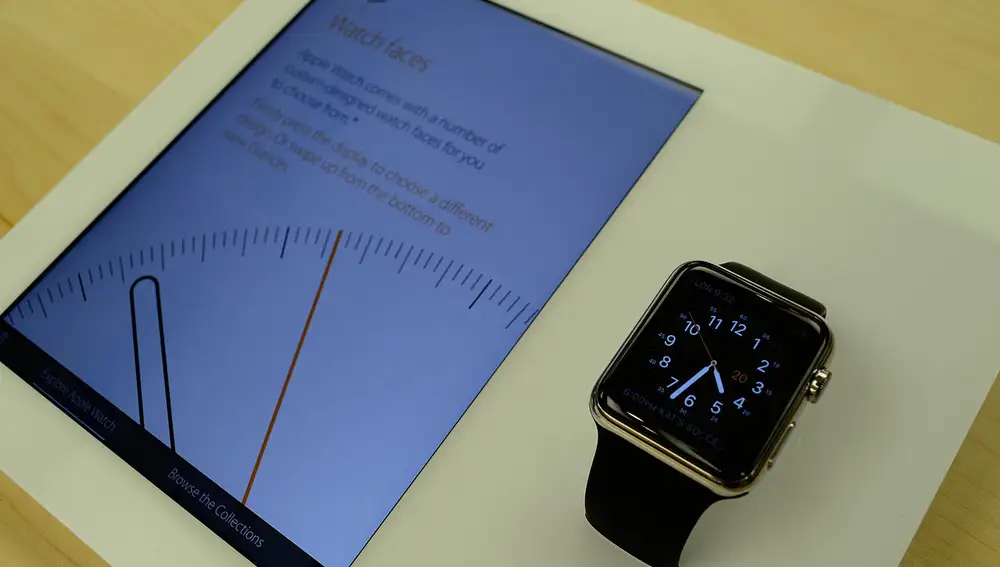
Already under the direction of Tim CookApple has presented few devices that can be considered groundbreaking, although it has consolidated its formidable business and its position as one of the largest technology companies and, in general, in the world. As on so many previous occasions, Apple was not the first in this product category, but it knew how to give it the shape that made it a great success.. And that the Apple Watchwith its variety of cases, including gold, and straps, was positioned between an expensive item and a true luxury product, with a price of up to $17,000. It was the time when Apple was said to be an aspirational brand. And that model, today, is not useful for much more than a paperweight.
AirPods (2016)
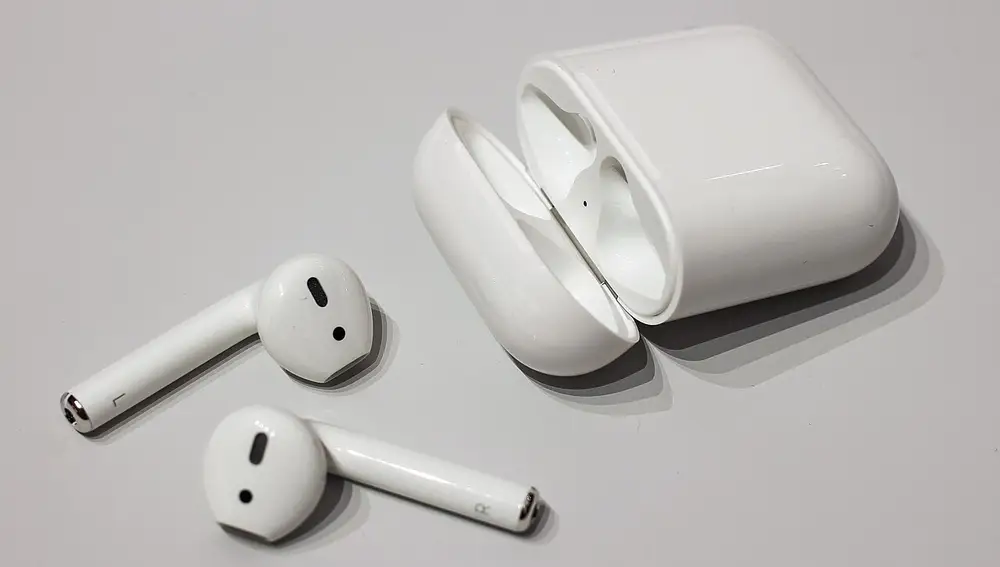
The AirPods They were Apple’s first wireless headphones and debuted alongside the iPhone 7which lacked a headphone jack, in 2016. With its ‘pins’ pointing downwards, many laughed it off. But that form factor has been imitated countless times since then and subsequent improvements, such as active noise cancellation and hearing testhave made them indispensable for many users.
MacBook M1, MacBook Air M1 and Mac mini M1 (2020)
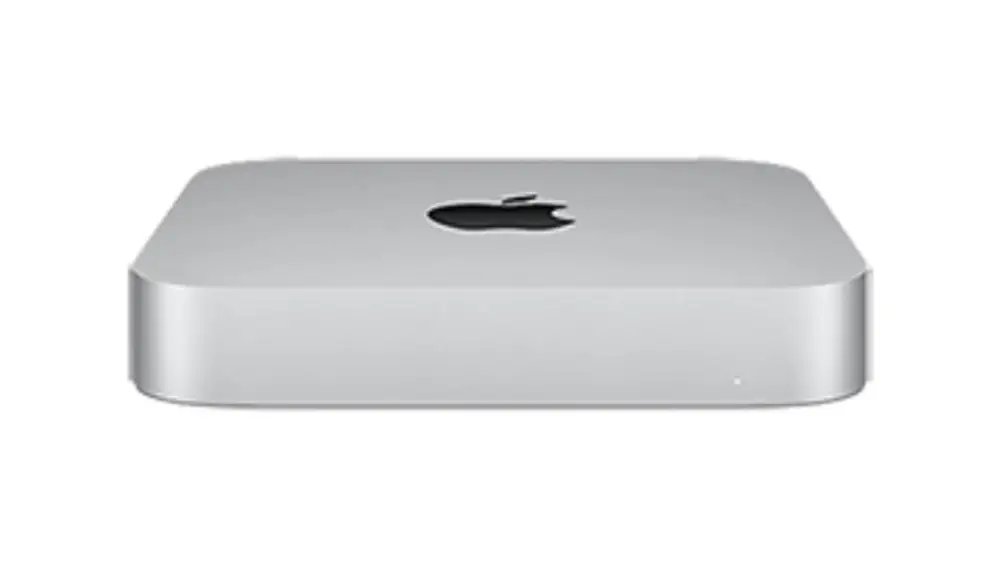
Apple’s last great revolution in computers came with silicon M1. The first generation of processors designed by Apple, which replaced those of Intelsurprised by the transition to architecture ARMthe same one used by smartphone processors, due to its power and, above all, for its high efficiency. In successive generations, Apple brought them to all its computers and also to the iPad. Today there is not a single Apple device that does not use the company’s own processor.